
NASA has announced that it will launch a rocket into space to prevent a huge telescope from colliding with Earth at the end of next year.
The American agency recently revealed that the Neil Gehrels Swift Observatory, one of its most important telescopes, has been slowly descending toward Earth and could collide with our planet as early as 2026.
The station, responsible for studying gamma rays in low Earth orbit, has been in space for nearly two decades. Now, however, it is at risk of disintegrating in the atmosphere.
Instead of risking the Swift telescope colliding with Earth, NASA has developed a plan to divert it—a mission assigned to the company Katalyst Space Technologies.
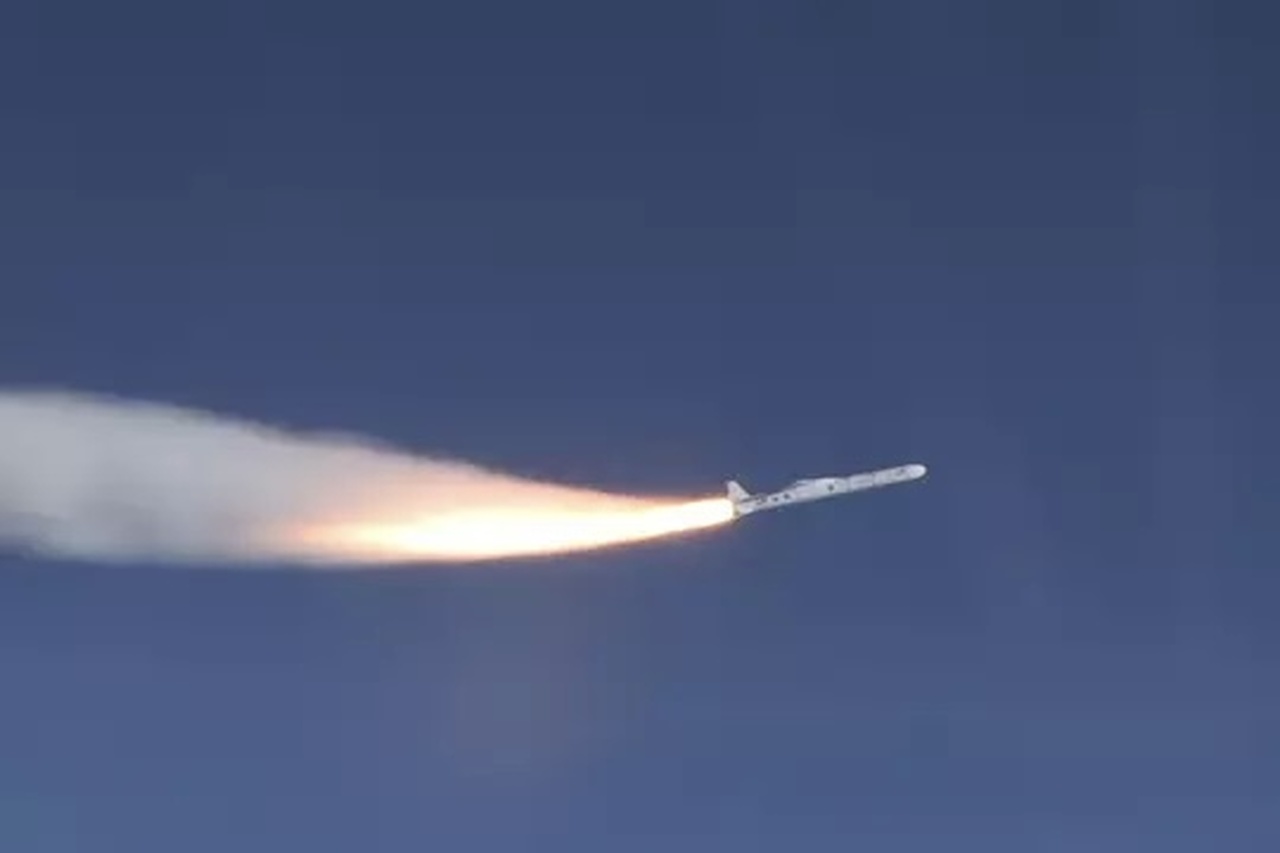
The project will involve launching a Pegasus XL rocket from an L-1011 Stargazer aircraft operated by Northrop Grumman. Once in space, the rocket will release a robotic spacecraft from Katalyst to redirect the telescope.
Once the robot reaches the telescope, it should be able to grab the device and push it back into a more stable orbit, according to the company.
“Considering how quickly Swift’s orbit is deteriorating, we are in a race against time, but by leveraging commercial technologies already in development, we are facing this challenge head-on,” said Shawn Domagal-Goldman, acting director of NASA’s Astrophysics Division.
Ghonhee Lee, CEO of Katalyst, said the Pegasus XL rocket was chosen because it is the “only launch vehicle capable of meeting the orbit, schedule, and cost requirements to achieve something unprecedented with emerging technology.”
Meanwhile, Kurt Eberly, director of space launch at Northrop Grumman, said they already have all the hardware needed to carry out the mission.
“We still need to do the integration and final testing, as well as develop the trajectory and guidance for the ascending node straight-up control, along with the software, but that’s basically it,” he told Space.com.
The team plans to conduct the launch as early as June 2026 to complete the mission before Swift gets too close to our atmosphere and falls out of orbit. “We are treating this launch date as a firm commitment,” said Kieran Wilson, vice president of technology at Katalyst.
“We will continuously assess the situation of Swift’s decaying orbit and determine what kinds of adjustments we may need to make—whether launching to a different altitude or targeting slightly different insertions.”
Photo: NASA. This content was created with the help of AI and reviewed by the editorial team.
